PetDNA guide
What Breed Is My Dog From a Photo?
A clear dog photo can open up a surprisingly rich story. PetDNA starts with likely breeds or breed groups, explains the features behind each match, and then explores origins, physical traits, temperament, movement, adaptations, and cultural connections.
Updated
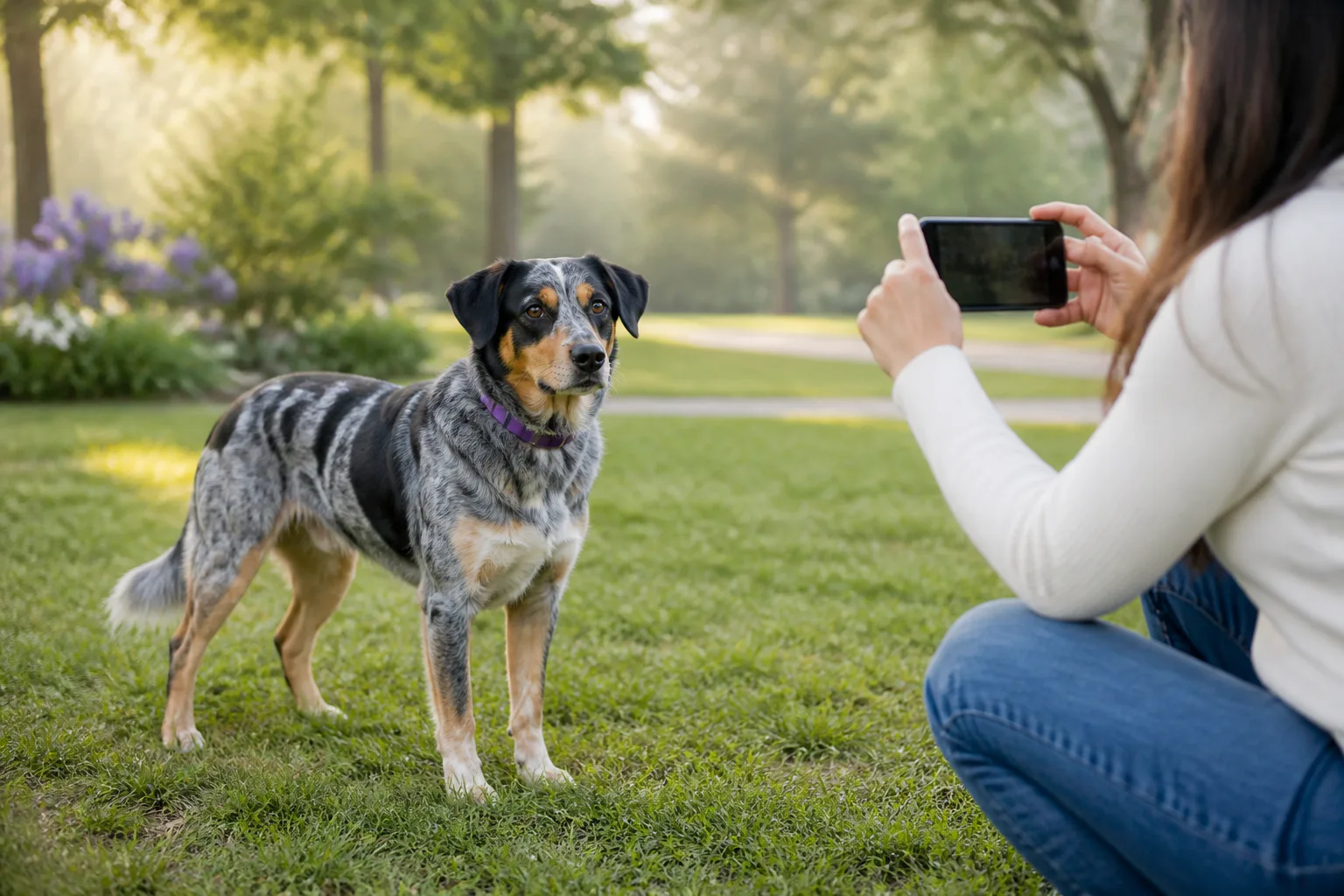
How to identify a dog breed from a photo
- 1
Take a clear photo
Photograph the dog at eye level in even daylight, with the face, body, legs, coat, and tail visible.
- 2
Run a visual comparison
Upload the picture to PetDNA and let the app compare several visible features together.
- 3
Review likely matches
Read the ranked suggestions and explanations, then compare them with what you know about the dog.
Start with a photo that shows the whole dog
Breed clues are spread across the body. Ear position, muzzle length, head shape, coat texture, markings, leg length, chest depth, tail carriage, and overall proportions can all matter. A close portrait may capture the face beautifully while hiding the build that separates one working or companion breed group from another.
Choose a relaxed moment outdoors in open shade or indoors near a bright window. Keep all four paws and the tail in frame when possible. Avoid portrait-mode blur across the dog’s outline, strong filters, costumes, and low angles that distort proportions. If you have both a front view and a three-quarter full-body view, use the clearer image first.
See why each breed match appeared
PetDNA looks at combinations of features across the whole dog. Upright ears become more meaningful when considered alongside the muzzle, frame, coat, movement, and tail. The report connects likely matches to those visible details, giving you reasons to explore instead of dropping a breed name on the screen.
The ranked results make it easy to compare the strongest visual similarities. From there, each match becomes a doorway into regional origins, the jobs those dogs were developed to do, characteristic movement, common temperament themes, and memorable pieces of breed history.
Try a visual pet breed analysis
Upload one clear photo for a free preview, then explore likely matches, distinctive traits, origins, temperament, adaptations, and history in the complete report.
Analyse a pet photoBuild a fuller picture with what you already know
Information from a shelter, breeder, previous owner, or family member can make the report even more rewarding. Add what you know about adult size, favourite activities, movement, shedding, vocal habits, and the places your dog has lived as you explore each suggested match.
The temperament and adaptation sections are especially good conversation starters. They can help you notice why a dog may love a particular game, cope well with certain weather, or use an expression and posture associated with one of the likely breed groups.
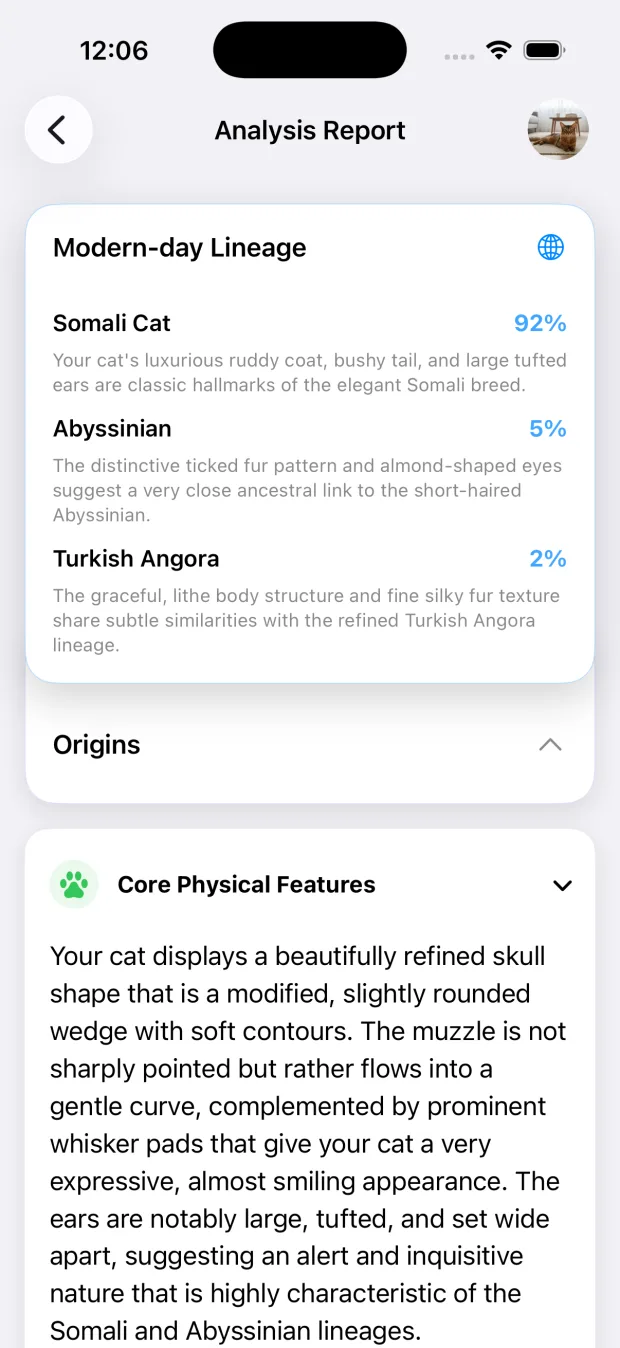
Turn the report into an afternoon of discovery
Save the report, share it with the people who know your dog best, and compare the breed stories with old photographs or adoption records. The cultural and historical sections can lead to places, working traditions, art, and folklore you may never have associated with your pet.
PetDNA is a visual discovery experience, while laboratory testing is the route for genetic evidence. For everyday curiosity, the report gives you an immediate, illustrated way to celebrate the features and stories that make your dog distinctive.
Frequently asked questions
What will I discover about a mixed-breed dog?
You can explore likely breed influences, the visible clues behind them, regional origins, physical traits, temperament themes, adaptations, and related history.
Can I use a puppy photo?
Yes. A bright full-body puppy photo can produce a fun early report, and you can create another as their proportions and coat develop.
Related PetDNA guides
The Best Photo for Pet Breed Identification
Follow a practical photo checklist that helps PetDNA see more distinctive details and create a richer, more personal pet report.
How to Identify a Rescue Dog’s Possible Mix
Combine a clear photo, shelter history, adult size, and observed traits to explore a rescue dog’s likely mix, origins, character, and story.