PetDNA guide
How to Identify a Rescue Dog’s Possible Mix
A rescue dog often arrives with a story still waiting to be discovered. Start with one clear photo and PetDNA will turn their visible features into likely matches, origin stories, physical and personality insights, natural adaptations, and fascinating historical connections.
Updated
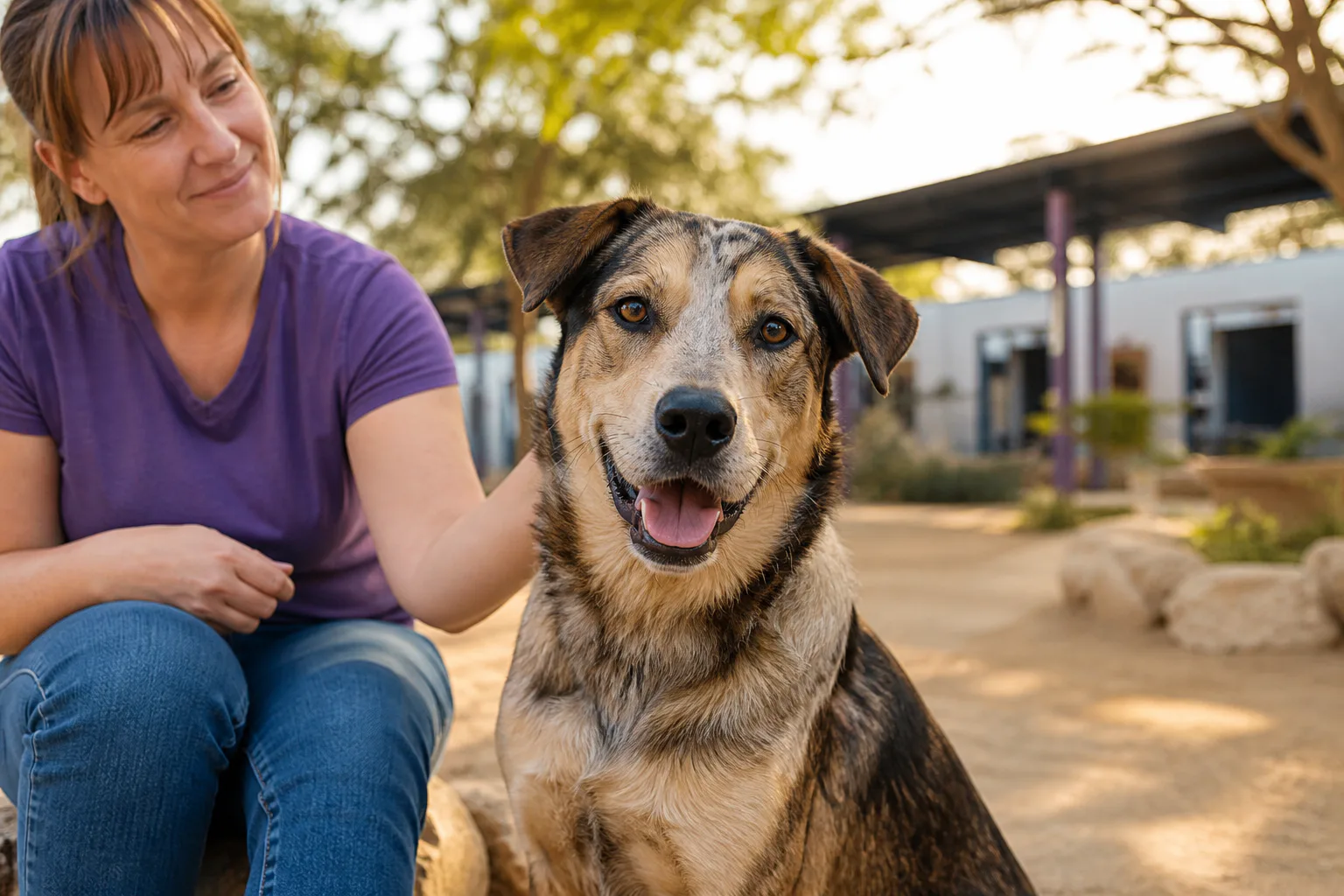
How to explore a rescue dog mix
- 1
Collect known history
Ask the shelter or foster family about origin, age, adult size, known parents, and previous records.
- 2
Capture visible traits
Take a clear standing photo and note coat, head, ears, build, legs, tail, and natural movement.
- 3
Explore the connections
Review likely matches alongside the dog’s history, then follow the origins, traits, temperament, and stories that feel familiar.
Ask for the story that came with the dog
Start with information the rescue already has. Location, estimated age, weight, littermates, known parents, previous veterinary notes, and the circumstances in which the dog was found can all add context. Even partial records may be more informative than appearance alone.
Old paperwork and shelter labels add colour to the picture, even when the information is brief. A dog’s appearance may also become clearer after gaining weight, recovering its coat, settling into a home, or reaching adulthood, making a later report a lovely way to revisit the story.
Photograph structure as well as the face
Rescue listings often use a close face portrait because it connects emotionally with adopters. Breed comparison needs a broader view. Photograph the dog standing naturally from a three-quarter angle so the head, chest, back, legs, paws, coat, and tail can be seen together.
Write down stable observations over several weeks: adult height and weight, coat growth, shedding, tail carriage, ear position, and movement at a walk or run. These details provide a check against suggestions produced from one frozen moment.
Try a visual pet breed analysis
Upload one clear photo for a free preview, then explore likely matches, distinctive traits, origins, temperament, adaptations, and history in the complete report.
Analyse a pet photoUse the report to build a shortlist
PetDNA can rank breeds or breed groups that resemble the visible features in the uploaded image. Read the explanations, then ask whether several independent features support each match. A familiar coat pattern with a very different frame or head shape should lower your confidence.
Mixed dogs often combine features in surprising ways, which is exactly what makes the explanations useful. One match may connect with the coat, another with the frame or ears, and a broader working group with the dog’s movement. Together they create a richer shortlist to investigate.

Make the report part of their new chapter
Breed history can inspire games, enrichment, walking routes, and training activities to try as your dog settles in. Pair those ideas with the personality you see every day, and the report becomes a playful guide for learning what lights them up.
Save the report as part of your dog’s adoption story or share it with the shelter, foster family, and friends who helped them home. If you later choose a laboratory ancestry service, you will have two different perspectives to compare.
Frequently asked questions
How can shelter information improve the report?
Age, adult size, origin, littermates, previous records, and foster observations give you extra context to compare with the likely matches and stories in PetDNA.
Can I save a rescue dog’s PetDNA report?
Yes. Save reports in the app, revisit them as your dog settles in, and download a PDF to share their story with family or the rescue community.
Related PetDNA guides
What Breed Is My Dog From a Photo?
Learn how to photograph your dog, discover likely breed matches, and use the full PetDNA report to explore traits, origins, and history.
The Best Photo for Pet Breed Identification
Follow a practical photo checklist that helps PetDNA see more distinctive details and create a richer, more personal pet report.