PetDNA guide
Photo Breed Identifier vs DNA Test
PetDNA turns a photo into an immediate visual journey through likely matches, traits, origins, temperament, adaptations, and history. A laboratory DNA test analyses a biological sample over a longer period. The best choice depends on the kind of discovery you want.
Updated
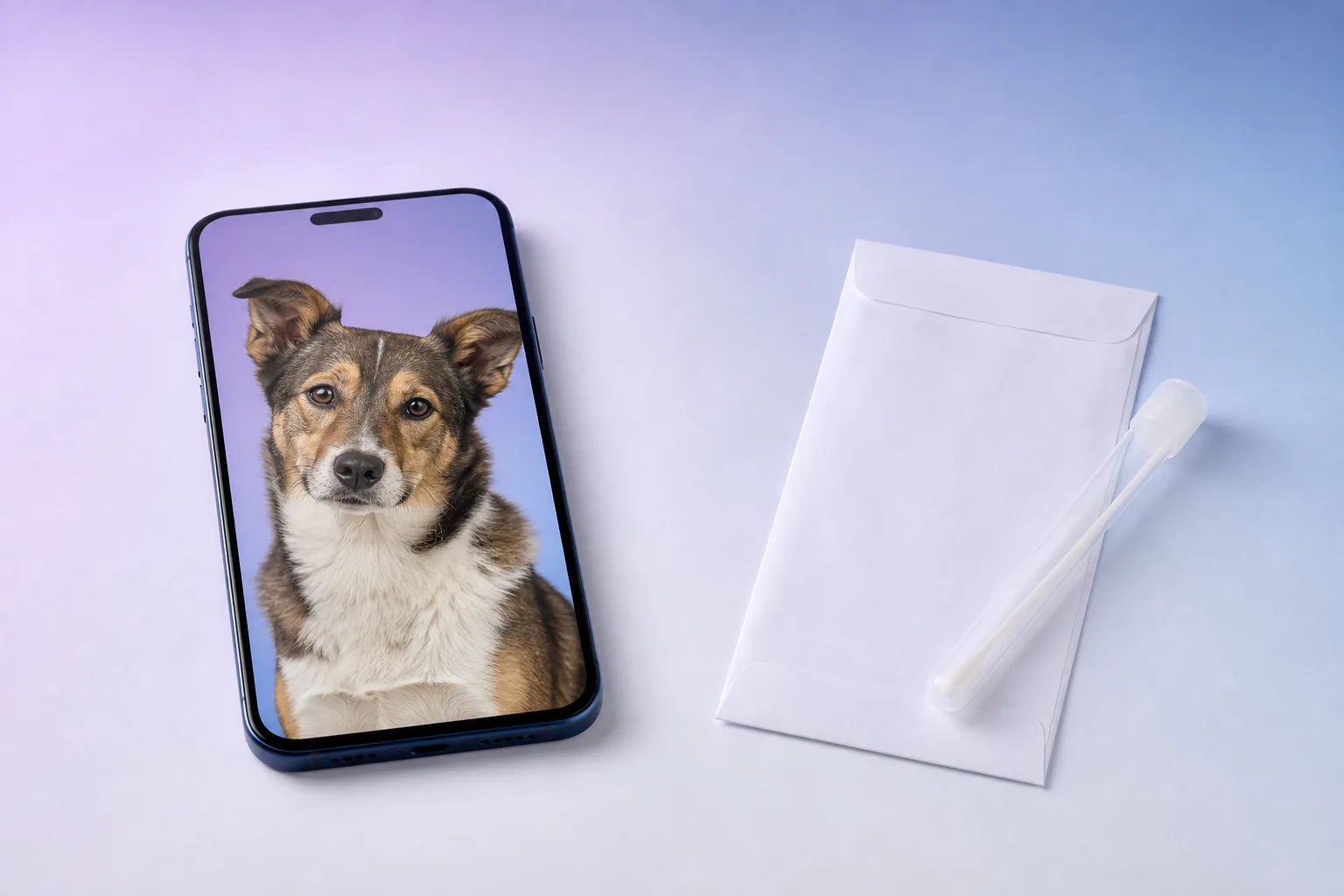
One starts with a photo, the other with a sample
Photo analysis starts with the pet you can see. PetDNA compares coat, head shape, ears, body proportions, markings, and posture with patterns associated with breeds or animal types, then uses those connections to build a broad visual report.
A laboratory test starts with biological material, commonly collected using a cheek swab. The provider extracts and compares genetic markers with its reference database. Results depend on the laboratory’s methods, reference populations, coverage, and interpretation.
Photo identification is faster and easier to try
A clear picture is available to most pet owners, and a visual report can usually be prepared in minutes. PetDNA offers a free preview before an optional complete report. This makes it useful for curiosity, rescue conversations, and exploring which visible features stand out.
A DNA kit must be purchased, delivered, collected correctly, returned, and processed. Turnaround is commonly measured in days or weeks. That extra work may be appropriate when the question specifically requires genetic evidence.
Try a visual pet breed analysis
Upload one clear photo for a free preview, then explore likely matches, distinctive traits, origins, temperament, adaptations, and history in the complete report.
Analyse a pet photoEach percentage answers a different question
In a photo report, a ranked percentage shows the strength of a visual match for that image. It helps you see which suggestions lead the shortlist and which features may have influenced the order.
Laboratory ancestry percentages are estimates derived from genetic markers and the provider’s reference data. They have their own confidence limits, but they are based on biological evidence rather than appearance. Read the provider’s methodology before comparing results across companies.
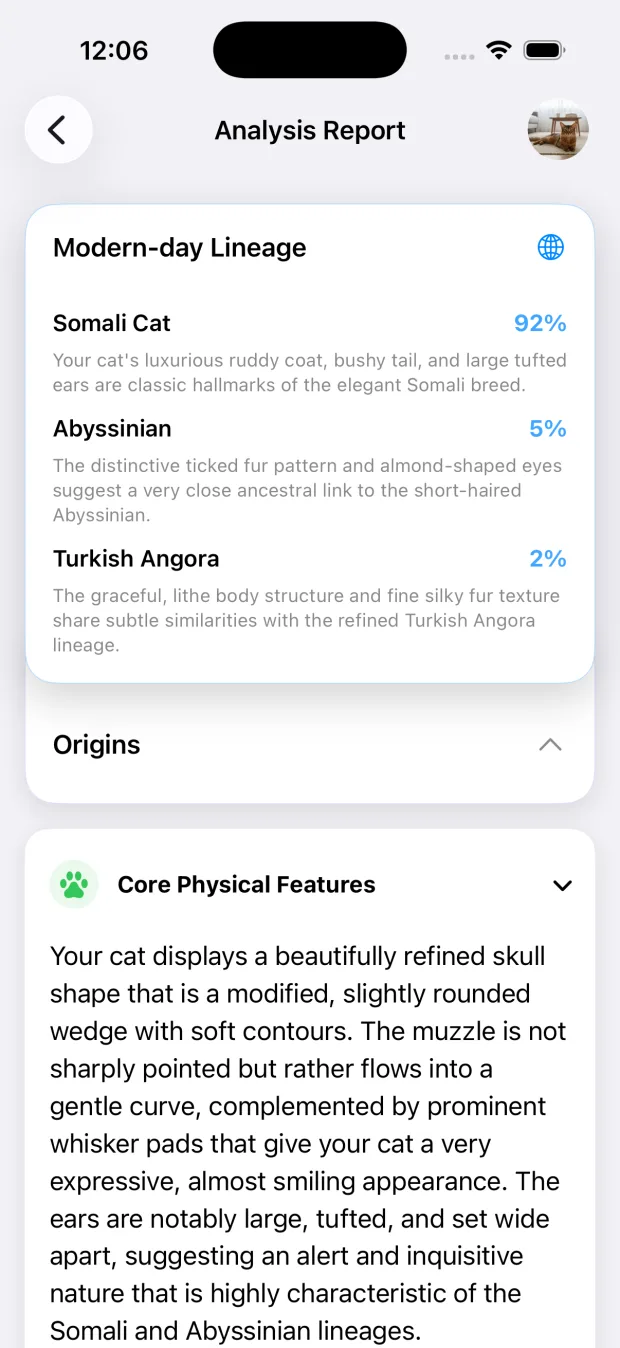
Choose the method that fits the decision
Use photo analysis when you want an immediate, visual, educational look at likely breed groups, features, origins, and related stories. It can help you notice details and create a shortlist for further reading without waiting for a kit.
Choose a suitable laboratory service when your question specifically requires genetic information. For curiosity, family fun, and a report rich with visual and historical detail, PetDNA offers the faster and more engaging starting point.
Frequently asked questions
Can a photo reveal genetic ancestry percentages?
No. Photo percentages describe visual matching, not measured shares of inherited DNA.
Does PetDNA need saliva or hair?
No. PetDNA uses a photo and does not collect or analyse biological material.
Related PetDNA guides
How Accurate Are Pet Breed Scanner Apps?
Learn what improves pet breed scanner results, how to read each match, and how PetDNA turns a clear photo into a richer pet story.
What Breed Is My Dog From a Photo?
Learn how to photograph your dog, discover likely breed matches, and use the full PetDNA report to explore traits, origins, and history.